How much does it cost to climb Kilimanjaro in 2026? Climbing Mount Kilimanjaro, Africa’s tallest peak and one of the most iconic trekking destinations in the world, is a bucket-list adventure for many. However, it is essential to recognize that this journey comes with significant costs. Unlike many other treks, climbing Kilimanjaro involves mandatory fees set by the Kilimanjaro National Park Authority, along with expenses for guides, porters, gear, and accommodations. These costs not only ensure the safety and comfort of climbers but also contribute to the preservation of the mountain’s unique ecosystem and the livelihoods of local communities.
The total cost to climb Kilimanjaro varies widely, ranging between $1,250 and $2,400 per person, depending on the chosen route, level of service, and trek duration. While the price may seem high, it encompasses everything from park fees and professional crew wages to meals, transportation, and equipment. By understanding these expenses, climbers can plan their adventure more effectively and make the most of this once-in-a-lifetime experience.
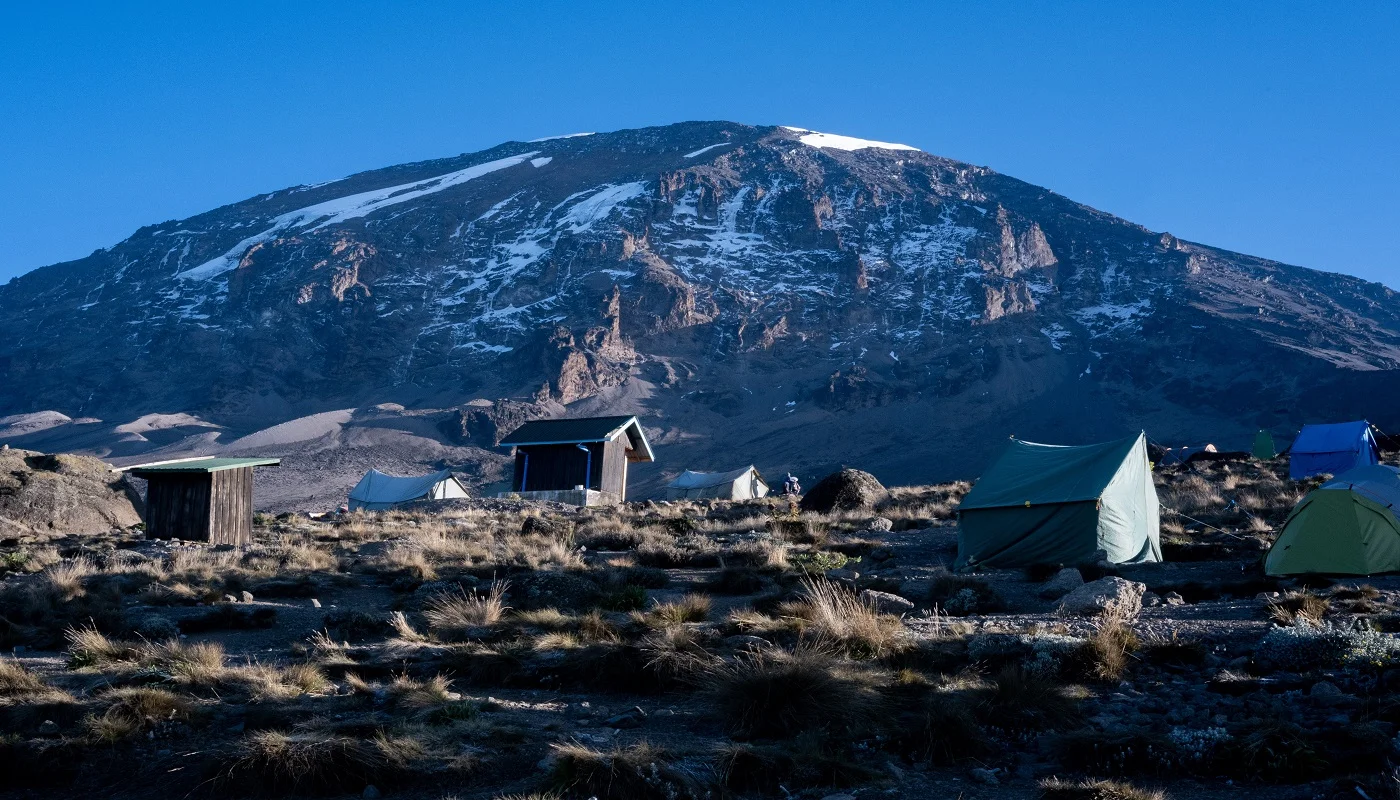
One of the largest portions of the cost of climbing Mount Kilimanjaro comes from mandatory fees set by the Kilimanjaro National Park Authority (KINAPA). These fees include park entry fees, camping or hut fees, rescue fees, and a 18% Value Added Tax (VAT). Park entry fees are charged at $70 per person per day, while camping fees amount to $50 per person per night. For those climbing the Marangu route, which uses huts rather than tents, the accommodation fee is $60 per person per night. Additionally, all climbers must pay a $20 rescue fee, ensuring access to emergency services if needed. For 6–8-day trek, these mandatory fees can total between $800 and $1,000 per person. These fees are non-negotiable and directly support the conservation and maintenance of the national park.
Hiring a professional crew is not only essential but also mandatory when climbing Mount Kilimanjaro. Guides are responsible for ensuring your safety, navigating the route, and managing the team. Their daily fees range from $20 to $30 per guide. Porters, who carry your gear, food, and other essentials, typically earn $6 to $10 per day, with each climber requiring at least 4 or 6 porters. Cooks are also part of the team, earning about $10 to $15 per day to prepare meals during the trek. In addition to their wages, tipping is customary and a significant part of the crew’s income. On average, climbers tip $200 to $300 for the entire team, although the exact amount depends on group size and satisfaction with the service. The cost of the crew ensures a safe and well-supported trek.
Most climbers book Kilimanjaro treks through tour operators offering all-inclusive packages. These packages cover park fees, crew wages, meals, transportation, and accommodations during the trek. Budget packages, which offer basic services and shared group experiences, range from $1,250 to $1,800 per person. Mid-range packages, providing additional comforts like private tents and more personalized services, cost between $1,500 and $2,000. Luxury packages, offering high-end services such as portable toilets, gourmet meals, and premium tents, range from $1,600 to $2,400 per person. The price difference largely reflects the level of service, comfort, and exclusivity provided during the trek.
The route and duration of your climb also significantly affect the total cost. For instance, the Marangu route, which can be completed in 5–6 days, is one of the most affordable options, with prices starting at $1,250. The Machame route, known for its scenic beauty and longer acclimatization period, costs between $1,400 and $1,600 for a 6–7-day trek. Longer and more remote routes, such as the Lemosho or Northern Circuit, require 8–9 days and cost between $1,650 and $1,800 due to the extended duration and additional logistical requirements. Choosing a longer route may increase the upfront cost, but it significantly improves acclimatization and the likelihood of reaching the summit.
Additional expenses often arise before and after the trek. Accommodation in nearby towns like Moshi or Arusha is essential for at least one night before and after the climb. Hotel prices range from $50 to $200 per night, depending on the level of comfort and amenities. Meals in local restaurants typically cost between $10 and $30 per meal, and transportation, such as airport transfers or rides to the park gates, adds $50 to $150 unless included in the trekking package. These expenses ensure a smooth transition and preparation for your adventure on Kilimanjaro.
Proper gear and equipment are crucial for a successful climb. While some climbers bring their own gear, others may need to rent or purchase items. Essential clothing and footwear, including insulated jackets, waterproof boots, gloves, and thermal layers, can cost between $300 and $1,000. Renting sleeping bags and mats costs an additional $50 to $150, while trekking poles and backpacks range from $20 to $100.Investing in quality gear not only ensures comfort but also improves safety during the trek.
Traveling to Tanzania adds another layer of expense. Round-trip international flights to Kilimanjaro International Airport range from $800 to $1,500, depending on your departure location and season. Travelers also need to budget for a Tanzanian visa, which costs $50 for most nationalities and $100 for U.S. citizens. Additionally, travel insurance is a necessity, costing $100 to $300, as it covers altitude sickness and other potential emergencies during the climb.
Several smaller costs can add up. Vaccinations, such as yellow fever and typhoid, cost between $50 and $200. Snacks, energy bars, and hydration supplements for the trek may cost $20 to $50. Souvenirs, such as local crafts and memorabilia, can range from $10 to $100, depending on your preferences.

 11 Dec
 21 Dec
 24 Dec