How to climb Mount Kilimanjaro without crowds? Climbing Mount Kilimanjaro, Africa’s highest peak, is a bucket-list adventure for many. However, the popularity of the mountain means that some routes can feel crowded, detracting from the serene experience of summiting this iconic peak. Avoiding crowds allows you to experience the mountain’s majesty in peace and solitude. If you want to climb Kilimanjaro without the crowds, careful planning and strategic decisions are essential. This guide will help you make the most of your journey while maintaining a quiet and personal connection to the Roof of Africa.
Avoiding crowds on Kilimanjaro not only provides a more peaceful experience but also allows you to fully connect with nature and the mountain’s stunning landscapes. Here are a few reasons to steer clear of busy trails:
Serenity and Solitude: A quieter climb lets you soak in the tranquility of the mountain. Without the noise and congestion of large groups, you can better appreciate the sounds of nature, the whisper of the wind, and the magnificence of the starry skies at night.
Better Campsite Experience: Popular campsites can get overcrowded, which may lead to limited space, longer waits for meals, and a less comfortable stay. By avoiding crowds, you can enjoy more relaxed and spacious campsites.
Enhanced Safety: Fewer people on the trail mean less foot traffic, reducing the risk of accidents and making it easier for guides and porters to manage the group. A less congested trail also ensures faster response times in case of emergencies.
Eco-Friendly Impact: Smaller groups and fewer climbers reduce the strain on Kilimanjaro’s fragile environment. Overcrowding leads to increased waste and trail degradation, so a quieter climb helps preserve the mountain for future generations
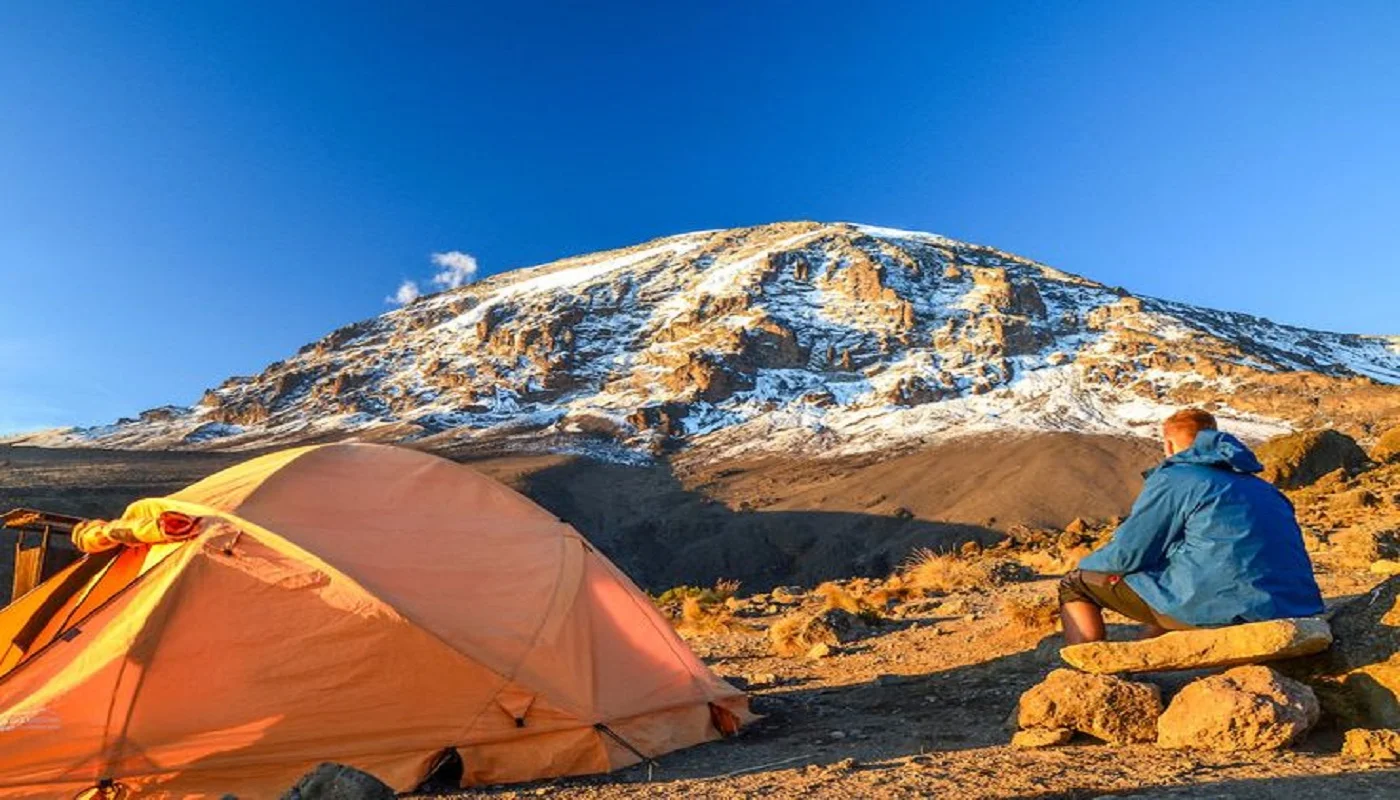
The busiest times to climb Kilimanjaro are during the dry seasons: January to mid-March and June to October. These periods offer the best weather conditions, but they also attract the largest number of climbers. To avoid crowds, consider climbing during the shoulder seasons:
Late March to May: Known as the long rainy season, fewer climbers take on Kilimanjaro during this time. While trails can be muddy, you’ll enjoy lush scenery with blooming flora and a quieter experience. The mountain feels alive with fresh vegetation, and misty clouds create a mystical atmosphere.
The short rainy season also sees fewer visitors, offering a more tranquil climb. Rainfall is usually lighter and sporadic, making it manageable with proper gear. You’ll also enjoy breathtaking views without the distraction of large groups.
Mount Kilimanjaro has several routes to the summit, each offering unique landscapes and challenges. The most crowded routes are the Marangu and Machame routes due to their popularity and shorter durations. For a quieter climb, opt for one of these less-traveled routes:
Lemosho Route: Known for its stunning scenery and gradual ascent, this route is less crowded and offers ample time for acclimatization. The journey begins in lush rainforest and gradually transitions into alpine meadows, providing a diverse and rewarding experience.
Rongai Route: Approaching the mountain from the north, this route is remote and typically sees fewer climbers. The drier conditions and panoramic views of Kenya make it a unique option.
Northern Circuit Route: The longest route on Kilimanjaro, this option takes you around the mountain’s northern slopes and is the least crowded. It offers unparalleled views, diverse ecosystems, and excellent acclimatization opportunities.
Large tour groups can contribute to the crowded feel of the mountain. Consider booking with a smaller group or opting for a private tour. While it might cost more, the personalized experience and solitude are well worth it. A smaller group allows guides to provide more tailored support, ensuring a safer and more enjoyable climb. Additionally, you’ll have more flexibility in choosing your pace and daily schedule.
Most climbers begin their treks on weekends. Starting mid-week allows you to avoid overlapping with the bulk of the crowds, particularly at campsites and popular resting points. A mid-week start can also mean quieter trails and better opportunities to spot wildlife, such as colobus monkeys and vibrant bird species, along the way.
If you’re climbing during the off-season to avoid crowds, be ready for rainy or muddy conditions. Invest in quality waterproof gear, including a rain jacket, pants, and gaiters. Proper preparation ensures a comfortable and enjoyable climb, even in less favorable weather. Embrace the unique beauty of the rainy season, such as mist-covered landscapes and the vibrant greenery of Kilimanjaro’s rainforest zones.
Some routes have alternative campsites that are less crowded than the main ones. Discuss this option with your tour operator to ensure a quieter overnight experience. These campsites often offer more pristine surroundings and a greater sense of solitude. Waking up to unobstructed views of the mountain or the surrounding wilderness can make your climb even more special.
Climbing Kilimanjaro without the crowds offers a unique opportunity to connect with nature and immerse yourself in the mountain’s beauty. The quiet trails, uninterrupted views, and sense of solitude make the experience even more rewarding. Off-peak travel allows you to appreciate Kilimanjaro’s raw, untouched charm and fosters a deeper connection to the journey itself.
By choosing the right season, route, and trekking strategy, you can enjoy a peaceful and unforgettable Kilimanjaro climb. Plan ahead, prepare well, and savor the journey to the Roof of Africa. Remember, a quieter climb not only enhances your experience but also contributes to the sustainability and preservation of this iconic mountain for generations to come.

 11 Dec
 21 Dec
 24 Dec