Mount Kilimanjaro, the iconic snow-capped mountain in Tanzania, attracts thousands of adventurers each year. Standing at 5,895 meters (19,341 feet), it is the highest peak in Africa and one of the Seven Summits coveted by mountaineers worldwide. While many successfully reach the summit, some are not as fortunate. Understanding the risks and dangers associated with Kilimanjaro is essential for anyone planning to undertake this challenging journey.
Although exact figures vary, it is estimated that approximately 10 climbers die on Mount Kilimanjaro annually. This number may seem low considering the mountain attracts over 35,000 climbers each year. However, it’s important to note that many more experience serious illnesses or injuries. Most fatalities are attributed to altitude sickness, falls, or underlying medical conditions exacerbated by the climb.
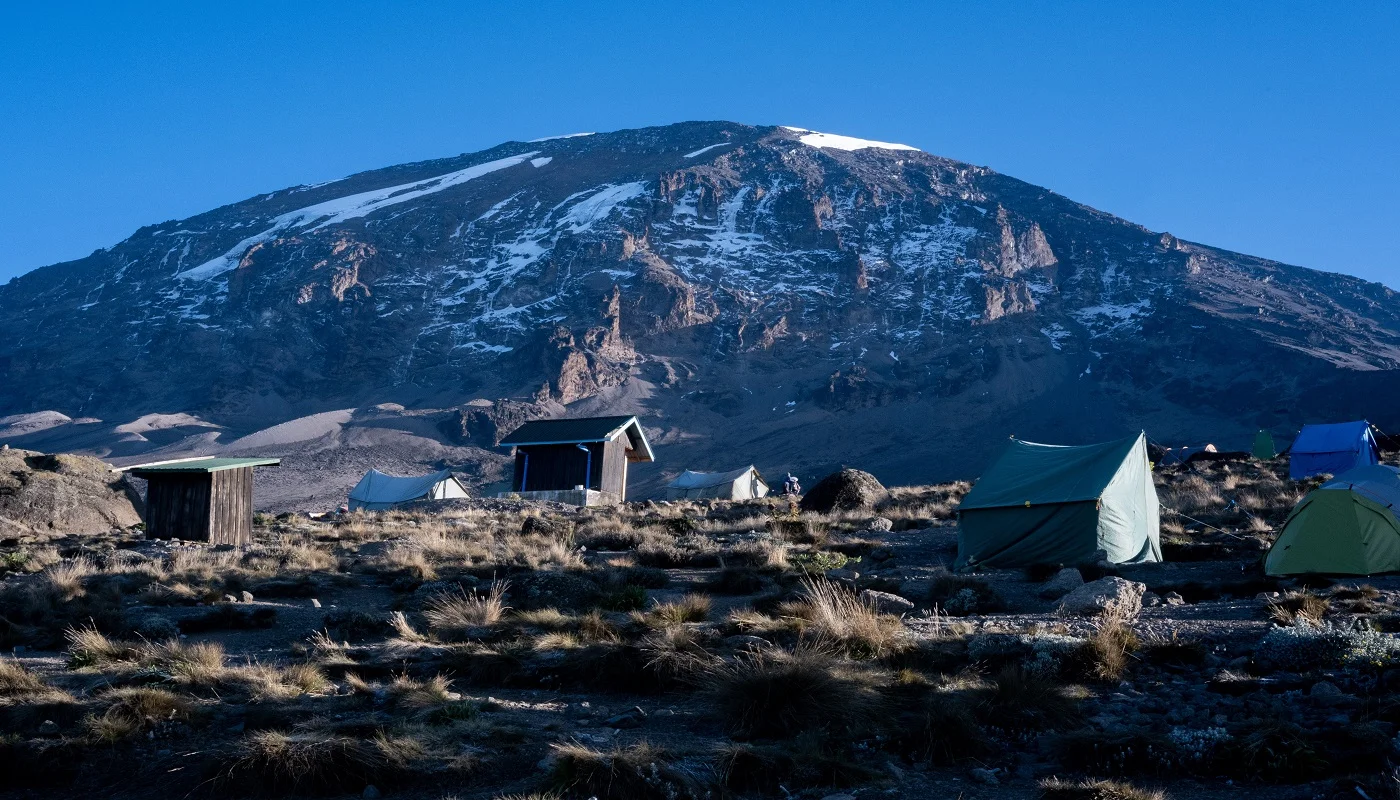
Altitude sickness, also known as acute mountain sickness (AMS), is the leading cause of death and severe health issues on Kilimanjaro. As climbers ascend, the air becomes thinner, leading to reduced oxygen levels. Symptoms of AMS include headaches, nausea, dizziness, and shortness of breath. Severe cases can progress to high-altitude pulmonary edema (HAPE) or high-altitude cerebral edema (HACE), both of which can be fatal if not treated promptly.To minimize the risk, climbers should follow a gradual ascent, choose longer routes, and allow time for acclimatization.
Although Kilimanjaro is a non-technical climb, meaning no ropes or climbing equipment are required, certain sections can be steep and slippery. Falls can occur, particularly in areas like the Barranco Wall or during descents when climbers are tired. Proper footwear, careful navigation, and experienced guides are crucial to avoid accidents.
Temperatures on Kilimanjaro can drop dramatically, especially near the summit. Climbers must be prepared for extreme cold, high winds, and sudden weather changes. Hypothermia and frostbite are real risks for those who are not adequately equipped with high-quality gear and clothing.
Climbing Kilimanjaro is physically demanding. Dehydration, exhaustion, and poor nutrition can weaken climbers, making them more susceptible to injury or illness. Staying hydrated, eating nutritious meals, and pacing oneself are essential for a safe ascent.
Pre-existing health issues such as heart problems, asthma, or diabetes can become life-threatening at high altitudes. Climbers with medical conditions should consult a doctor before attempting the climb and carry necessary medications.
Choose a Reputable Tour Operator: Experienced guides and support teams can make a significant difference in ensuring your safety. Look for operators with strong safety records and positive reviews.
Train and Prepare: Physical fitness and mental preparation are key. Engage in cardio workouts, strength training, and hiking practice before your climb.
Train and Prepare:> Select longer routes like the Lemosho or Northern Circuit to allow for better acclimatization.
Pack the Right Gear: Invest in high-quality clothing, footwear, and equipment suitable for extreme conditions.
Listen to Your Body: If you experience severe symptoms of altitude sickness or feel unwell, prioritize your health and consider descending immediately.
Climbing Mount Kilimanjaro is a rewarding but challenging experience. While deaths are relatively rare, the dangers should not be underestimated. With proper preparation, respect for the mountain’s risks, and adherence to safety protocols, you can significantly reduce the likelihood of accidents or health complications.
Mount Kilimanjaro’s allure lies in its breathtaking landscapes, rich biodiversity, and the sense of achievement it offers to those who conquer it. By understanding the potential dangers and preparing thoroughly, you can make your journey a safe and memorable one. Climbers can plan their adventure more effectively and make the most of this once-in-a-lifetime experience.

 11 Dec
 21 Dec
 24 Dec